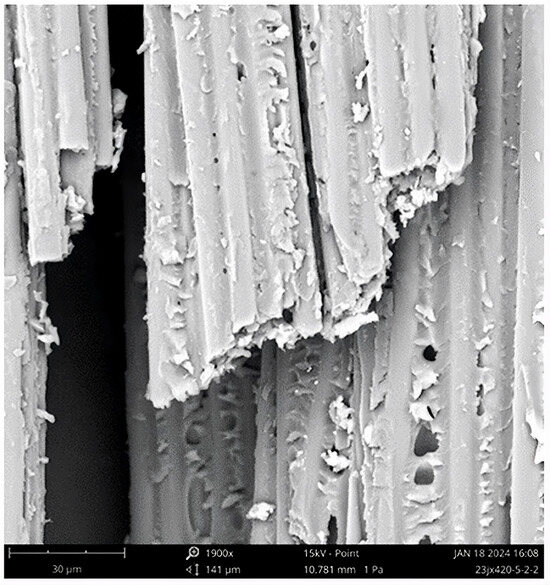
Carbon Fiber-Reinforced Polymer (CFRP) composites represent a transformative class of structural materials, combining low density, high specific strength, and excellent fatigue resistance. This review provides a comprehensive overview of CFRPs, addressing their structure, manufacturing routes, mechanical performance, and functional behavior, with particular emphasis on damage tolerance, tribological properties, and environmental durability. The discussion covers the classification and morphology of carbon fibers, effects of impact loading and environmental conditioning on residual strength and fatigue life, and tribological improvements through nanoscale additives such as graphite nanoplatelets and TiO2 nanoparticles. Advances in processing techniques including low-pressure curing and improved resin systems are also discussed. Overall, the review underscores that optimal CFRP performance is achieved through the synergistic integration of fiber architecture, matrix design, and precise processing control.
Topics Covered
Carbon fiber morphology, polymer matrices (thermoset vs. thermoplastic), and fiber-matrix interface mechanics.
Hand lay-up, filament winding, RTM, autoclave vs. out-of-autoclave methods, AFP/ATL, and additive manufacturing.
Strength, stiffness, toughness, fatigue resistance, anisotropy, fiber volume fraction, and defect effects.
Friction, wear mechanisms, tribofilm formation, and nanoparticle additives for enhanced wear resistance.
Impact resistance, BVID, compression-after-impact testing, interlaminar toughening, and NDE methods.
Aerospace structures, automotive monocoques, wind turbine blades, pressure vessels, and biomedical prosthetics.
My Role
Co-authored as part of undergraduate research at the University of Nevada, Reno under the supervision of Dr. Pradeep L. Menezes (ME 656 — Introduction to Tribology). Contributed to sections covering tribological behavior of CFRPs, wear mechanisms, and the role of nanoscale additives in improving composite performance.
Davidson, M.; Graunke, R.; Green, A.; Haelsig, H.;
Heinemann, L.; Antony Jose, S.; Menezes, P.L.
Carbon Fiber-Reinforced Polymer Matrix Composites:
Processing, Properties, and Applications.
Fibers 2026, 14, 29.
https://doi.org/10.3390/fib14030029